 |
Subscribe / Renew |
 |
Contact Us |
| ► Subscribe to our Free Weekly Newsletter | |

Construction Bids
| home | Welcome, sign in or click here to subscribe. | login |


 print print  email to a friend email to a friend  reprints add to mydjc reprints add to mydjc |  |

February 23, 2000
Journal staff reporter
|
Q: How did Sparling grow from an 18-person firm to the country's largest electrical engineering firm?
A: We've expanded the kinds of projects that we work on, and we've expanded our specialties to become the leader in integrated electrical communication and technology consulting. In the '50s, '60s and '70s, we were a firm that just did electrical engineering. One of the things I've done is add specialties to the firm to complement that core of electrical engineering. We started a studio to do communications consulting; we started Candela Architectural Lighting Consulting; we started an audiovideo consulting studio and a broadcast consulting studio. We're the only firm in the country that has all of those services under one roof.
Q: What are your strategies for growing Sparling?
A: We have never set a goal to grow at a certain percentage a year. We grow based on our clients needs and projects that we find interesting and exciting to work on, so we've let the passion of our staff and the work that's here in the Pacific Northwest fuel our growth. Our firm consists of fun, energetic and motivated people who work in teams with owners and clients in a collaborative way. We have the resources and talent to design even the most complicated integrated electrical and technology solution. These two assets -- talent and resources -- have helped Sparling become the major design player that we are.
Q: How important is cultivating a relationship with architects?
|
We have a lot of energy for the design process. We give seminars about electrical systems or technology or communication systems to architects, and we also help them during the design process to make sure the owner is getting a great building in terms of all the systems.
Q: What role does mentoring employees play at Sparling?
A: Mentoring is so important. This year we're expanding our mentoring program to one that includes technical mentoring, where all of our new college graduates that are coming into the firm are being paired up with senior engineers to help them grow their careers. Mentoring also helps grow the leadership of the company.
Q: What is "Sparling University"?
A: We have a philosophy of lifelong learning here. Sparling University offers 100 classes a year right here on-site that are taught by principals and national experts. The courses are about technology and electrical engineering as well as communication skills -- helping people learn how to give better presentations, how to run a meeting, skills that sometimes aren't taught in engineering schools. The dean of Sparling University is one of our vice presidents, Doug Bors, who heads up our in-house education program. Everyone here at Sparling is committed to at least 16 hours of continuing education a year.
Q: What does it mean to you to be chosen Engineer of the Year?
A: It's one of the highlights of my professional life to be so recognized by my peers, people whom I've worked with for so many years, people whom I respect, people who have been my personal mentors. To be honored by and included in that group of people is just a tremendous honor. I'm still floating.
Q: Why do engineers have such a low public profile?
A: By nature, engineers are quiet; we don't brag a lot, we're sort of introspective. And that anonymity is something I'm trying to change. I'm working with the Consulting Engineers Council of Washington on some initiatives to get out and tell the story of what engineers are doing to improve the quality of everyday life. It is sad to me that the general public does not understand the value that engineers bring to everyday life, whether it's driving down a freeway, using the telephone, ordering a latte, turning on the faucet and having clean water, accessing the technology in a hospital, or having Internet access at their fingertips --- all of which is made possible by engineers.
|
- Jim Duncan |
A: I'd love to see a national TV show where an engineer was the hero. We see lawyers and doctors on TV dramas, but engineers actually save more lives than doctors. Last week, several of our engineers visited local middle schools, in conjunction with National Engineers' Week to talk to students about how enjoyable and how important engineering careers can be. This is important, because kids in seventh and eighth grades are making decisions now about what careers they will pursue, and engineering usually is not high on their lists. We want to change that.
Q: What do you like most about being an engineer?
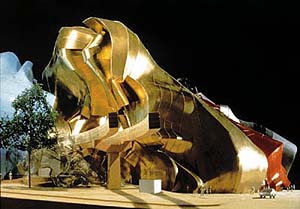
A: I like so much about it. I really enjoy the challenges of the projects that we're working on, like the Experience Music Project, with all its innovative technology, audio and video, lighting design and electrical systems. Also, designing ways to adapt new medical equipment and new telehealth and telemedicine technologies into hospitals to improve patient care is also very rewarding.
Q: What changes have you observed in the design industry during the last 10 years?
A: One major change is the way design teams operate. Ten years ago, we were showing all of our designs on Mylar, but today it's all done on CADD systems. Today, we have e-mail, fax machines, video conferencing and web-based project sites, since many of our design teams are spread out all over the country, and in some cases, across the world. The largest architectural firms a decade ago had about 40 employees, while today, those firms designing the larger projects have at least 50 employees or more. Not only are the firms bigger, but many architectural firms also have expanded their practices to include planning, interiors, economic analyses and project management services, in addition to architectural design.
Another major change has been in the growing importance of technology and communications systems in buildings, including hospitals, universities, office complexes or museums. It's far more critical today to help clients plan ahead for that technology to make it more flexible and expandable so that it can adapt to change down the road, especially as the world becomes one digital community.
Q: How have your expectations for new employees changed?
A: The job market right now is very tough, especially for electrical engineering firms because engineers are in demand all across the United States and the world. One of the challenges facing us is finding qualified and talented new staff for Sparling. We have started a program for college recruiting, going on campus to talk to students before they graduate, telling them about engineering and all about the great opportunities here. What makes the search more difficult is that we're looking for people who not only have technical knowledge but also personal communication skills to be able to talk in laymen's terms and to help owners make the best decisions. We're essentially looking for people who can become like trusted advisors to our clients.
Q: What are your firm's most active markets?
A: Healthcare, dot coms, corporate campuses, retail, museums, and data centers have been very successful and growing markets for us. We're also designing electrical and technological systems for mixed-use facilities, and we're doing a lot of work for the U.S. Coast Guard and Navy.
|
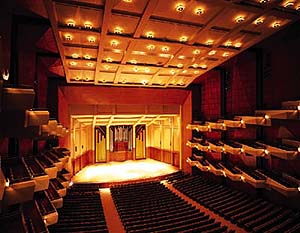
A: Probably the most exciting project in my career has been the Experience Music Project, simply because the project is so unusual and has demanded so much creativity and innovation in all of its design. For instance, there is no straight line in that entire building. The technology being incorporated into EMP is impressive. This is going to be one of the largest electronic libraries in the world with phenomenal digital sound and interactive exhibits for people to enjoy. It's been exciting to work on that design team.
Q: Has your experience as a U.S. Coast Guard officer been useful to you as an engineer?
A: My first exposure to the Pacific Northwest was when the Coast Guard stationed me in Seattle back in the '70s and sent me up and down the Washington and Oregon coastline to design electrical systems for light houses and other Coast Guard facilities. I learned a lot, of course, and built my experience through the engineering work. But, in the process, I also just fell in love with the mountains, the ocean, the rugged terrain and especially the sunsets, and decided that this is where I wanted to live. And I've never regretted it. I've lived and worked in the Seattle area now for over 25 years, and have enjoyed both contributing to the region's technological edge, through Sparling, and taking advantage of its wonderful opportunities for hiking, sailing and cultural activities.
Previous columns:


